Deciding whether to seek cosmetic surgery is deeply personal, but knowing when it's the right time can save you money, emotional energy, and regret. Many people wait years, unsure whether their concerns justify professional intervention, only to wish they'd acted sooner. The truth is simple: recognising the right signs early means you'll make better decisions about your appearance and feel confident in your choice.
This guide outlines the concrete warning signs that suggest it's time to contact a cosmetic surgeon in the UK—and how to distinguish between genuine concerns and temporary self-doubt.
Deep Wrinkles and Folds That Won't Fade with Skincare
If you've invested in high-end moisturisers, retinol creams, and dermatologist-recommended serums for over a year and your lines remain unchanged, skincare alone won't solve the problem. Permanent creases between the brows, nasolabial folds (lines from nose to mouth), or marionette lines (extending from the corners of the mouth downwards) are classic signs that non-invasive treatments have reached their limit. A cosmetic surgeon can discuss injectables like dermal fillers or Botox, or recommend more advanced procedures depending on the severity.
Loose or Sagging Skin That Affects Your Appearance
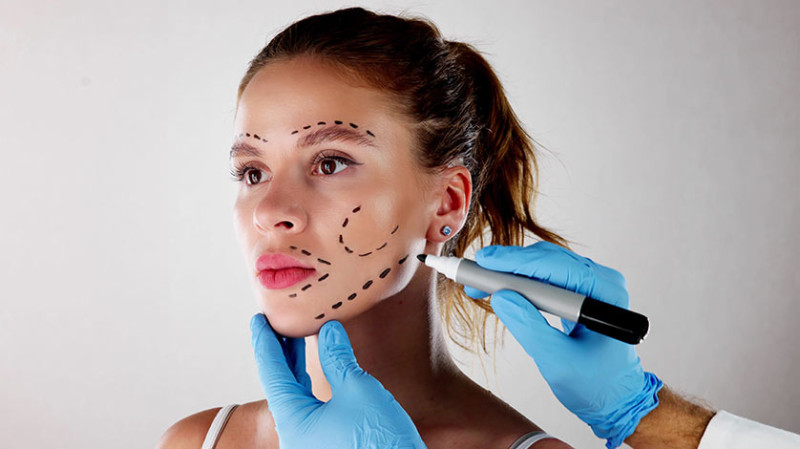
Loose skin around the jawline, neck, or under the eyes that's visible in photographs or when you catch your reflection is a strong indicator that cosmetic intervention could help. This often occurs following significant weight loss, pregnancy, or natural ageing, and cannot be reversed through exercise or skincare products alone. A surgeon can assess whether a non-surgical thread lift, micro-needling, or a more invasive facelift is appropriate for your needs.
Asymmetry or Disproportionate Facial Features Causing Self-Consciousness
If one side of your face looks noticeably different from the other—perhaps a crooked nose, uneven lips, or mismatched cheekbones—and this asymmetry affects your confidence in social situations or photographs, it warrants professional evaluation. Many people live with asymmetry for years before realising correction is possible. A cosmetic surgeon can explain which procedures (rhinoplasty, chin augmentation, or cheek implants) could restore balance and harmony to your face.
Persistent Bags or Hollows Under the Eyes
Dark circles that refuse to disappear despite adequate sleep, eye creams, and concealer overuse often indicate volume loss or structural changes beneath the eye. This is especially common after age 40 when the delicate under-eye area loses elasticity and fat deposits shift. A surgeon might recommend tear trough fillers, fat transfer, or lower eyelid surgery to restore a rested, youthful appearance—sometimes with dramatic results in just one appointment.
Breast Size or Shape Concerns That Impact Clothing Choices
If you're avoiding certain styles of clothing, experiencing back or shoulder pain from poor support, or feeling self-conscious in fitting rooms and swimwear situations, breast surgery might be worth exploring. Whether you're considering augmentation, reduction, or a lift following pregnancy or weight loss, a cosmetic surgeon can discuss implant options, surgical techniques, and realistic outcomes. These procedures can genuinely improve quality of life and body confidence.
A Feature You've Disliked Since Childhood or Adolescence
If you've spent decades unhappy with your nose, ears, or chin, and this concern hasn't faded with time or acceptance work, professional help is reasonable. Long-standing insecurities about a specific feature often don't resolve independently, and correcting them can provide genuine psychological relief. A surgeon can explain whether your concern is surgically addressable and what results you can realistically expect.
Visible Signs of Skin Damage: Sun Damage, Scarring, or Pigmentation
Extensive sun damage, acne scarring, or age spots covering significant portions of your face or body that have failed to improve with topical treatments or professional skincare are good reasons to consult a cosmetic surgeon. Options range from laser resurfacing and chemical peels to dermal fillers for depressed scars. Many of these treatments can be done in a single session or over a course of appointments.
When It's Urgent vs When It Can Wait
Seek an appointment soon if: Your concern has persisted for over a year, affects your daily confidence or clothing choices, or you've already tried multiple at-home or non-surgical remedies without success. You've also clearly decided you want change, rather than still being ambivalent about it.
It can wait if: You're experiencing temporary stress or sadness affecting your self-image, you're still deciding whether surgery aligns with your values, or you're in active weight loss or lifestyle changes that might naturally improve the concern.
DIY vs Professional: Honest Guidance
Home remedies, over-the-counter creams, and online tutorials have legitimate value for minor concerns—preventative skincare, for example, is always worthwhile. However, they cannot tighten loose skin, reverse deep wrinkles, reshape bone structure, or remove significant volume loss. If you've honestly tried these routes without satisfaction, professional help isn't vain or wasteful; it's simply the appropriate next step.
Similarly, be cautious of cheap non-surgical treatments from unregulated practitioners. A qualified cosmetic surgeon in the UK will be registered with the General Medical Council (GMC), carry appropriate indemnity insurance, and provide realistic expectations and aftercare—costs that justify professional fees.
Take the Next Step
If any of these signs resonate with you, the next step is simple: arrange a consultation with a qualified cosmetic surgeon. Many surgeons offer free or low-cost initial consultations where they'll assess your concerns honestly, explain what's achievable, and outline costs and recovery times. This conversation alone often brings clarity.
Use the cosmeticsurgeriesuk.co.uk directory to find experienced, regulated surgeons near you. Read patient reviews, check their credentials, and choose someone who listens to your goals rather than pushing unnecessary procedures. Your appearance is worth professional care—when you're ready.
Trending articles
- Signs You Need a Cosmetic Surgeon: ... Feb 2026
- How Much Does a Plastic Surgeon Cost ... Feb 2026
-
 Holistic Plastic Surgeon Reveals ...
Jul 2025
Holistic Plastic Surgeon Reveals ...
Jul 2025
-
 Gynecomastia Surgery: Day of Results ...
Jun 2025
Gynecomastia Surgery: Day of Results ...
Jun 2025
-
 The Non-Surgical Neck Lift: A ...
Jun 2025
The Non-Surgical Neck Lift: A ...
Jun 2025
-
 Facelift vs Mini Facelift: ...
Jun 2025
Facelift vs Mini Facelift: ...
Jun 2025